Applications of C45 Carbon Steel in Automotive Manufacturing

Applications of C45 Carbon Steel in Automotive Manufacturing
Introduction
The automotive industry is one of the most demanding sectors when it comes to materials selection. Vehicles require components that can withstand immense mechanical stress, temperature variations, vibration, and wear, all while ensuring safety and performance. Among various steels used in the automotive industry, C45 carbon steel has emerged as a preferred material due to its excellent combination of strength, hardness, machinability, and durability.
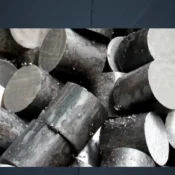
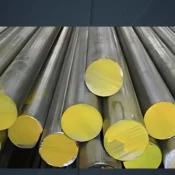
C45 carbon steel is a medium-carbon steel, typically containing 0.42–0.50% carbon. Its balanced properties make it ideal for parts that require mechanical reliability under high stress, such as engine components, transmission shafts, suspension parts, and more.
As a leading C45 Carbon Steel Supplier, Steel Mart has supplied high-quality C45 steel to OEMs, component manufacturers, and automotive suppliers, ensuring they produce durable and reliable vehicles. This blog explores the extensive applications of C45 carbon steel in automotive manufacturing, highlighting its advantages and why it remains a top choice for the industry.
1. Mechanical Properties of C45 Carbon Steel
Understanding the properties of C45 is crucial for selecting it for automotive applications:
- Tensile Strength: Typically 570–700 MPa, providing excellent resistance to stretching and deformation under load.
- Hardness: Brinell hardness ranges between 170–210 HB, which is sufficient for wear resistance in moving components.
- Fatigue Resistance: C45 can endure cyclic loading, making it suitable for rotating shafts and suspension parts.
- Machinability: Easily machined to precise dimensions, ideal for components requiring tight tolerances.
- Weldability: Can be welded with proper preheating and post-weld treatments, essential for automotive assembly.
Compared to other grades, such as C40 or C50, C45 offers a perfect balance of strength and workability, making it highly versatile for automotive engineering.
2. Engine Components
The engine is the heart of any vehicle, and its parts must endure extreme pressure, friction, and heat. C45 carbon steel is extensively used in:
- Crankshafts: The steel’s fatigue resistance ensures long-lasting rotational performance.
- Camshafts: Precision-machined C45 shafts maintain timing accuracy under high loads.
- Connecting Rods: High tensile strength and hardness handle the forces between pistons and crankshaft.
- Gear Shafts: Wear resistance allows smooth torque transfer without deformation.
Case Study:
A leading motorcycle manufacturer sourced C45 carbon steel from Steel Mart for crankshafts and camshafts. The result was enhanced engine durability and reduced maintenance frequency, crucial for high-performance bikes.
3. Transmission Systems
Transmission components face rotational forces, torque, and high wear. C45 carbon steel is ideal for:
- Gear wheels and shafts
- Bearings and couplings
- Clutch components
Its fatigue resistance ensures long-lasting operation under repeated torque, while machinability allows precise gear tooth profiles, improving efficiency.
Example:
A commercial vehicle gearbox manufacturer used C45 steel from Steel Mart to produce transmission shafts, resulting in higher load capacity and longer service life.
4. Chassis and Suspension Components
Vehicle frames and suspension systems demand a combination of strength and flexibility. C45 carbon steel is used in:
- Suspension arms
- Steering linkages
- Cross-members
- Mounting brackets
Its toughness absorbs shocks from road irregularities and ensures structural integrity. Using high-quality C45 steel improves vehicle safety, handling, and durability.
5. Brake System Components
The braking system must resist wear and heat during repeated use. C45 carbon steel is commonly used for:
- Brake discs and drums
- Calipers and levers
High hardness ensures wear resistance, while machinability enables precise shaping for optimal fit and performance.
Example:
A bus manufacturer implemented C45 carbon steel from Steel Mart for brake drums, reducing replacements and improving fleet safety.
6. Steering Mechanism Components
Steering linkages, tie rods, and knuckles require torsion and fatigue resistance. C45 carbon steel provides:
- High tensile strength for torsional loads
- Fatigue resistance for repeated steering cycles
- Machinability for precision assembly
This ensures smooth steering response and long-lasting performance.
7. Fasteners and Couplings
Bolts, screws, pins, and couplings in automotive assemblies require strength and reliability. C45 carbon steel provides:
- Mechanical strength to handle high stress
- Wear resistance for moving joints
- Versatility for machining to custom specifications
Benefit: Fasteners made from C45 steel reduce risk of component failure and maintain assembly integrity.
8. Industrial Tooling and Gears
C45 carbon steel is ideal for tooling in automotive manufacturing:
- Press tools for stamping body panels
- Dies for shaping chassis parts
- Industrial gears for machinery
Its hardness and wear resistance extend tool life, reducing downtime and operational costs.
Example:
An automotive component manufacturer using C45 steel tooling reported a 30% increase in tool life compared to lower-grade steels.
9. Axles, Drive Shafts, and Drivetrain
Drivetrain components must withstand torsion, bending, and fatigue:
- Axles: Support vehicle weight and torque transmission
- Drive shafts: Transfer power from engine to wheels
- Universal joints and couplings
C45 carbon steel’s combination of strength, ductility, and fatigue resistance ensures reliable performance in these critical areas.
10. Heat Treatment and Surface Finishing
Automotive components often undergo heat treatment and surface finishing to enhance performance:
- Hardening and Tempering: Improves wear resistance and toughness
- Annealing: Enhances machinability for complex components
- Surface Coatings: Chromium or phosphate coatings reduce corrosion
Proper treatment ensures components made from C45 steel meet rigorous automotive standards.
11. Comparison with Alternative Materials
While other materials like stainless steel, alloy steel, and aluminum are used, C45 remains popular due to:
- Cost-effectiveness
- Excellent mechanical properties
- Machinability for precise manufacturing
- Versatility across multiple automotive applications
12. Future Trends
With the rise of electric vehicles (EVs) and hybrid cars, C45 carbon steel continues to play a role in:
- High-strength components for lightweight EV drivetrains
- Machinable parts for automated assembly lines
- Surface-treated components for long-lasting performance
Automation in production lines also allows precise manufacturing of C45 components, ensuring consistency and efficiency.
Conclusion
C45 carbon steel is a cornerstone material in automotive manufacturing due to its strength, hardness, machinability, and durability. Its applications span engines, transmission systems, suspension, brakes, steering, fasteners, tooling, and drivetrain components.
As a trusted C45 Carbon Steel Supplier, Steel Mart provides high-quality, certified C45 steel that meets the exacting demands of the automotive industry. Manufacturers relying on C45 carbon steel benefit from reliable, durable, and high-performance components, essential for modern vehicles.
Choosing the right supplier ensures consistent quality, timely delivery, and technical support—critical factors for automotive manufacturing success.
+91 8076217931